Be yourself; Everyone else is already taken.
— Oscar Wilde.
This is the first post on my new blog. I’m just getting this new blog going, so stay tuned for more. Subscribe below to get notified when I post new updates.
Be yourself; Everyone else is already taken.
— Oscar Wilde.
This is the first post on my new blog. I’m just getting this new blog going, so stay tuned for more. Subscribe below to get notified when I post new updates.
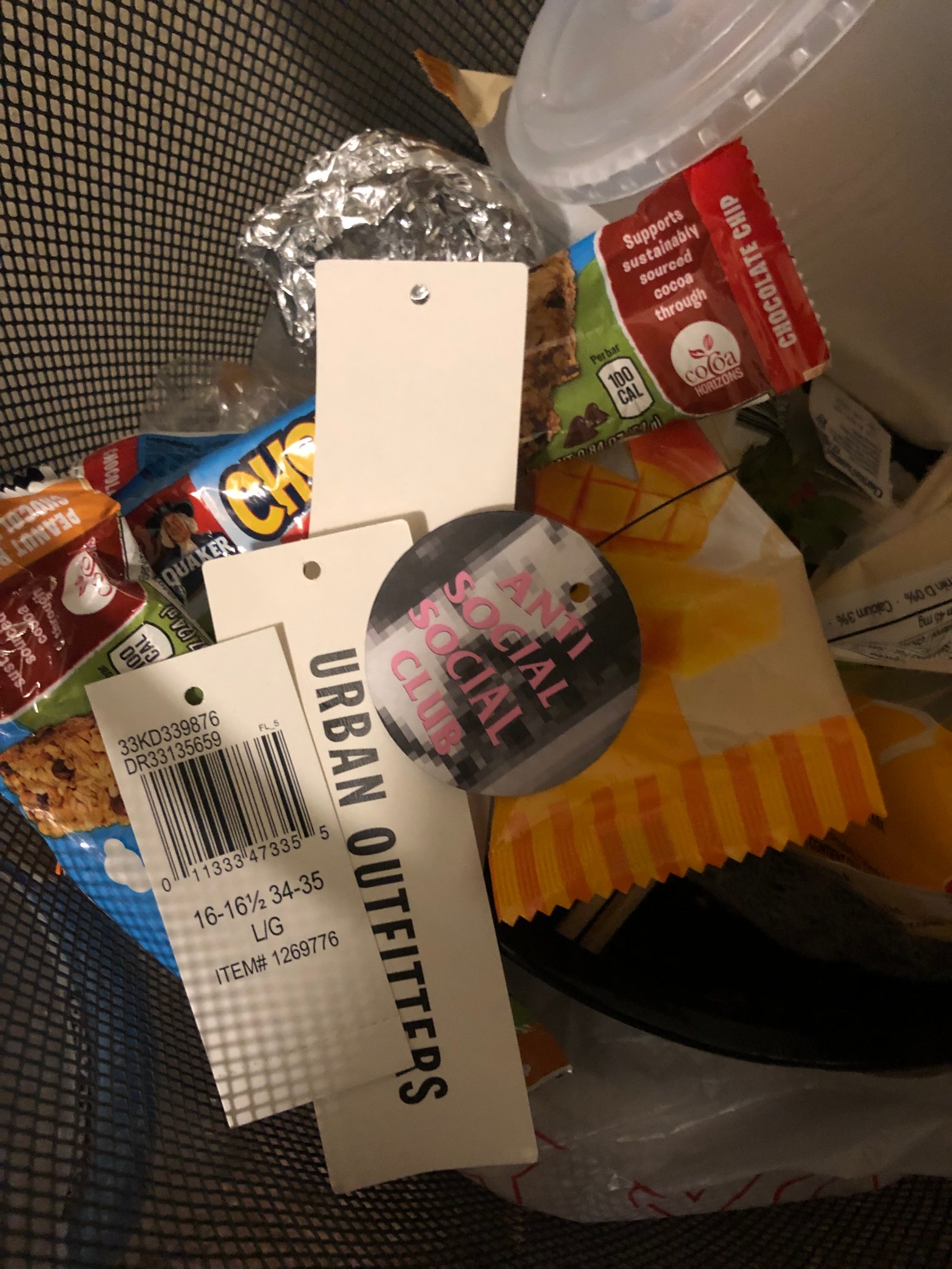
With the growth in our dependence on media in today’s economy, our outlook and input on popular culture trends impact our everyday lives. Everything we consume, including items such as news and materials, constantly changes as our tastes and preferences adapt to new trends. However, there are negative consequences to the overconsumption of popular trends. This is an epidemic that infects our modern society. One specific consequence I want to further discuss includes a human necessity: clothing. Clothing is a commodity that we use on the spectrum that varies to simply cover us up, keep us warm, or as a form of self-expression. Creating fashion statements through multiple fabrics and different patterns are trendy, but at what cost? In light of this action, we, the consumers, are deeply impacted by this environmentally and socially.
The term to define this revelation is coined “fast fashion”. What is fast fashion? It is a relatively recent phenomenon that refers to cheaply produced and priced garments that copy the latest styles, which then gets manufactured quickly through stores in order to fulfill the current trends. According to Occidental College, “Fast fashion is defined by its fast-turnover speed, high order fulfillment rates, cheap prices, and trendy items created for mass consumption. Retailers now sell massive volumes of clothing for cheap prices to make a profit, rather than selling smaller amounts of higher quality clothing” (Back). We are all victims of purchasing attire of fast fashion, from stores such as Forever 21, H&M and many other brands with clothes tagged with the iconic “Made in China”. It is very easy for us consumers to neglect its origin and to purchase them at such a great steal. Environmentally speaking, fast fashion causes a large buildup of disposable clothes because of how cheaply made they are and how cheap it is to purchase. This buildup can result into a overload of unwanted clothes in second-hand stores and landfills. According to Newsweek.com. “If you’re an American, your next step is likely to throw those old clothes in the trash. According to the Environmental Protection Agency (EPA), 84 percent of unwanted clothes in the United States in 2012 went into either a landfill or an incinerator.” Stores that purchase and/or sell used clothes and items can only hold so much before it is inevitably shot down into the landfills. This number continues to gradually grow larger as time goes by, especially nowadays since technology is most predominantly used for essentially everything. Although fast fashion heavily impacts the environment, the growth of popular media is the cause of this phenomenon.
The only singular reason why we consumers are familiar with the updated trends is because the advancement and power of social media networking sites, such as Facebook, Instagram, Pinterest, and more. Interested shoppers are consistently looking for the latest trends online. Their sources for their style usually are adapted by influencers, whether it is anyone famous or anyone known for their taste in fashion. “Social media, in general, has been a two-edged sword when it comes to fashion and fashion copying,” said professor Susan Scafidi, founder and director of the Fashion Law Institute at Fordham Law School. “It enables small creators to reach many more people. On the flipside, it makes copying that much easier and the sale of copies that much easier. It’s part of the social media arms race with respect to creating and copying”, as spoken by CNN.com. This mindset allows the creative development of fashion trends to begin and supports the businesses of young fashion entrepreneurs. However, this also allows big greedy corporations to exploit fashion and convert into no longer the freedom of expression through attire, but now ultimately a deceptive market full of counterfeit fashion through the modifications of cheap fabric and hard labor. “Today large brand companies hire manufacturers who in turn hire subcontractors to produce their products. This process moves the risk of unsafe workplaces and ethical treatment down the manufacturing chain to the low-paid workers who are the ones actually creating the clothing. By hiring subcontractors, companies are able to disassociate themselves from any human rights or environmental violations that often occur during production. These factories with poor working conditions are often called “sweatshops,” which was a concept created to draw attention to the factories that work employees for long hours, poor pay, and poor working conditions ” (Back). These types of firms constantly undergo criticism for the lack of justice for the people who create their products. Despite this known construct that many lead fashion industries follow, it is possible to change.
People may say that fast fashion doesn’t affect them because of their own shopping habits. Some may say that it is not a problem. Well, I say that it is. Too many companies are exploiting the current trends and hurting the environment as well as people for their own greed. I say that each of us can change this. We can support local small business by purchasing second-hand clothes. Social media has made the concept of thrifting or upcycling clothes a popular trend. Reducing the purchase of disposable items and more of investing in higher quality and versatile items will reduce pounds of unwanted clothing. We can also create the upcoming trend of popularizing sustainable brands or brands that take on a positive environmental campaign, such as Patagonia, Lush Cosmetics, Reformation, and more brands. Although the concept of fast fashion is continuously rising, it does not mean that it can consume us.
With popular media beginning to promote the ideals of sustainability, it is important to remember that us the consumers are contributing to our carbon footprint. Shopping for our own clothing, for example, is a topic that is rarely discussed yet we constantly do in our lives. There is more than just one fashion, and fast fashion happens to impact our environment and social economy greatly. With this knowledge, I hope you reconsider what you wear and what you purchase.
References:
Back, Jennifer, “Sustainable and Ethical Practices for the Fast Fashion Industry” (2017). UEP
Student Scholarship. https://scholar.oxy.edu/uep_student/4
Lambert, Megan, “The Lowest Cost at Any Price: The Impact of Fast Fashion on the Global
Fashion Industry” (2014). Senior Theses.
O’Brien, Sara Ashley. “Fast Fashion through the Lens of Instagram.” CNNMoney, Cable News
Network, 24 July 2018, money.cnn.com/2018/07/24/technology/choosy-fast-fashion-instagram/index.html.
Wicker, Alden. “The Earth Is Covered in the Waste of Your Old Clothes.” Newsweek,
Newsweek Magazine, 16 Mar. 2017, http://www.newsweek.com/2016/09/09/old-clothes-fashion-waste-crisis-494824.html.
This is an example post, originally published as part of Blogging University. Enroll in one of our ten programs, and start your blog right.
You’re going to publish a post today. Don’t worry about how your blog looks. Don’t worry if you haven’t given it a name yet, or you’re feeling overwhelmed. Just click the “New Post” button, and tell us why you’re here.
Why do this?
The post can be short or long, a personal intro to your life or a bloggy mission statement, a manifesto for the future or a simple outline of your the types of things you hope to publish.
To help you get started, here are a few questions:
You’re not locked into any of this; one of the wonderful things about blogs is how they constantly evolve as we learn, grow, and interact with one another — but it’s good to know where and why you started, and articulating your goals may just give you a few other post ideas.
Can’t think how to get started? Just write the first thing that pops into your head. Anne Lamott, author of a book on writing we love, says that you need to give yourself permission to write a “crappy first draft”. Anne makes a great point — just start writing, and worry about editing it later.
When you’re ready to publish, give your post three to five tags that describe your blog’s focus — writing, photography, fiction, parenting, food, cars, movies, sports, whatever. These tags will help others who care about your topics find you in the Reader. Make sure one of the tags is “zerotohero,” so other new bloggers can find you, too.
Have a WordPress.com account? Log in now.

